Movement as a Practice
Develop body awareness, mobility, and strength through guided exercise at our London studio
Develop body awareness, mobility, and strength through guided exercise at our London studio
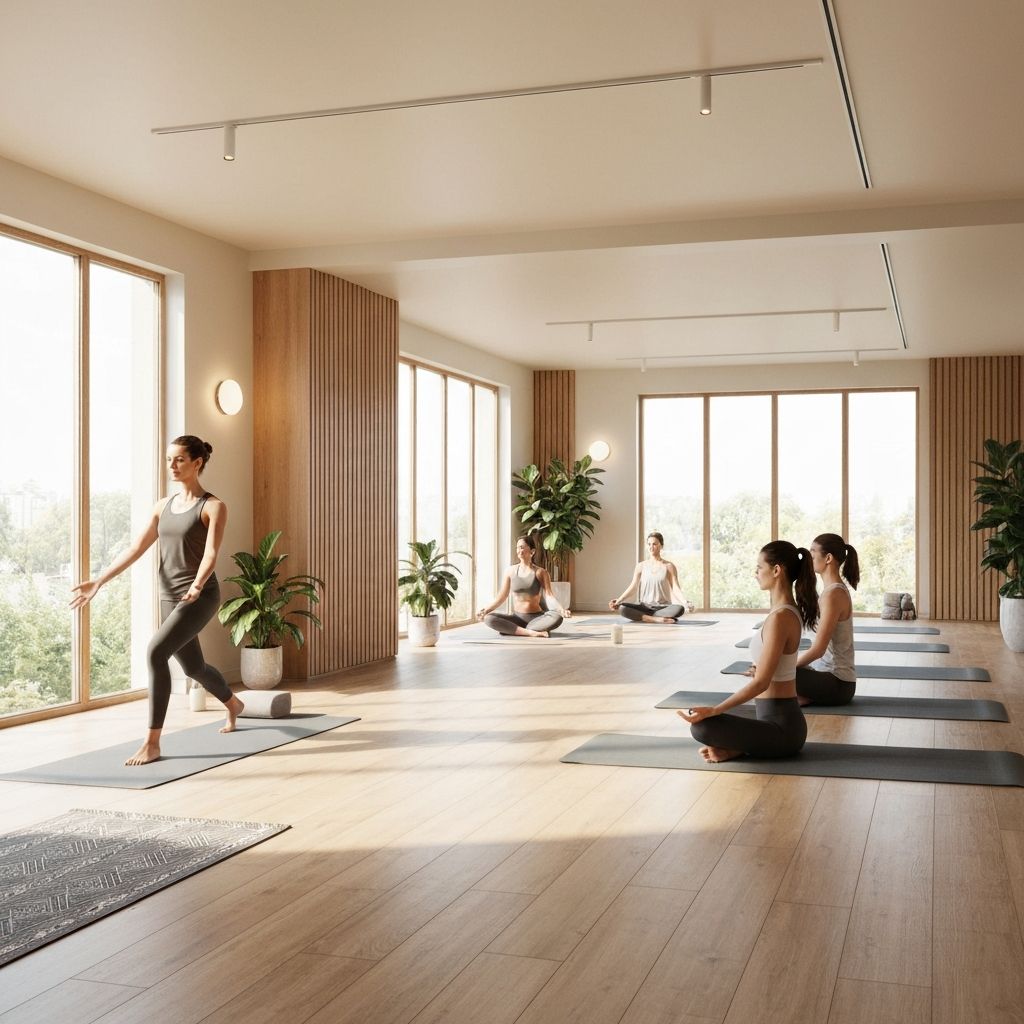
At Bekind, movement is viewed as an ongoing practice rather than a quick fix. Our studio provides a structured environment where participants can focus on developing fundamental movement skills, building body awareness, and gradually increasing their physical capabilities through consistent practice.
Movement and body awareness instructors guide participants through exercises designed to enhance mobility, develop strength, and improve flexibility. The studio format supports regular attendance and creates a focused space for physical activity away from daily distractions.
The studio environment is designed to support focused physical practice. Participants work on movement patterns, explore their body's capabilities, and develop skills that can be applied in everyday life. This is not about achieving specific outcomes, but about engaging in a process of physical exploration and learning.
Each session provides opportunities to observe how your body moves, understand its responses to different exercises, and gradually build confidence in your physical abilities. The emphasis is on quality of movement rather than intensity or speed.
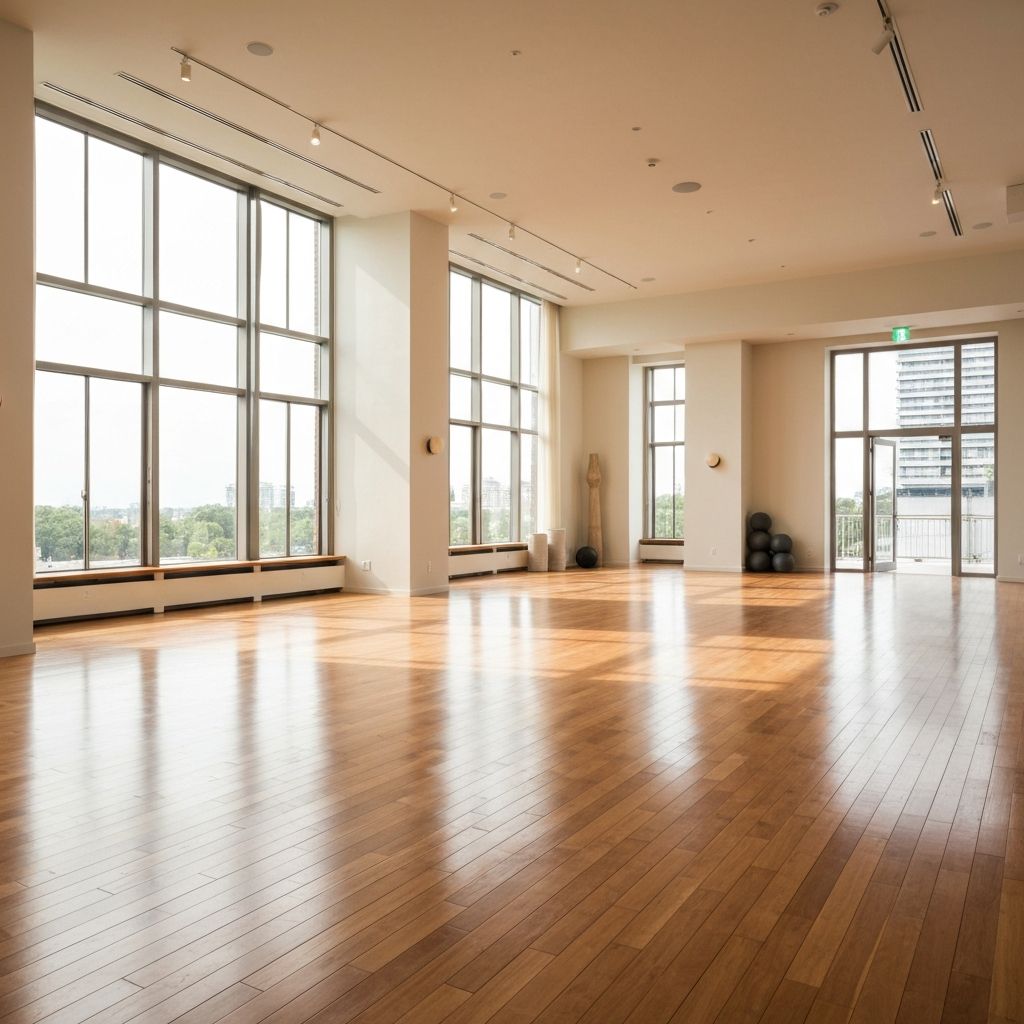
Quality movement practice begins with understanding basic principles. At Bekind, instructors help participants learn proper form, appropriate breathing techniques, and ways to maintain awareness during exercise. These foundations support safe and effective physical activity.
Instructors observe and provide guidance on exercise execution, helping participants understand how to perform movements with proper alignment and control.
Exercises are introduced gradually, allowing participants to build skills and strength over time rather than rushing through complex movements.
Mobility work involves moving joints through their available range of motion in a controlled manner. This type of practice can help participants understand their current movement capabilities and gradually explore new ranges as they continue regular practice.
Instructors demonstrate mobility exercises and guide participants in finding appropriate ranges for their individual bodies. The focus is on smooth, controlled movement rather than forcing positions or pushing beyond comfortable limits.
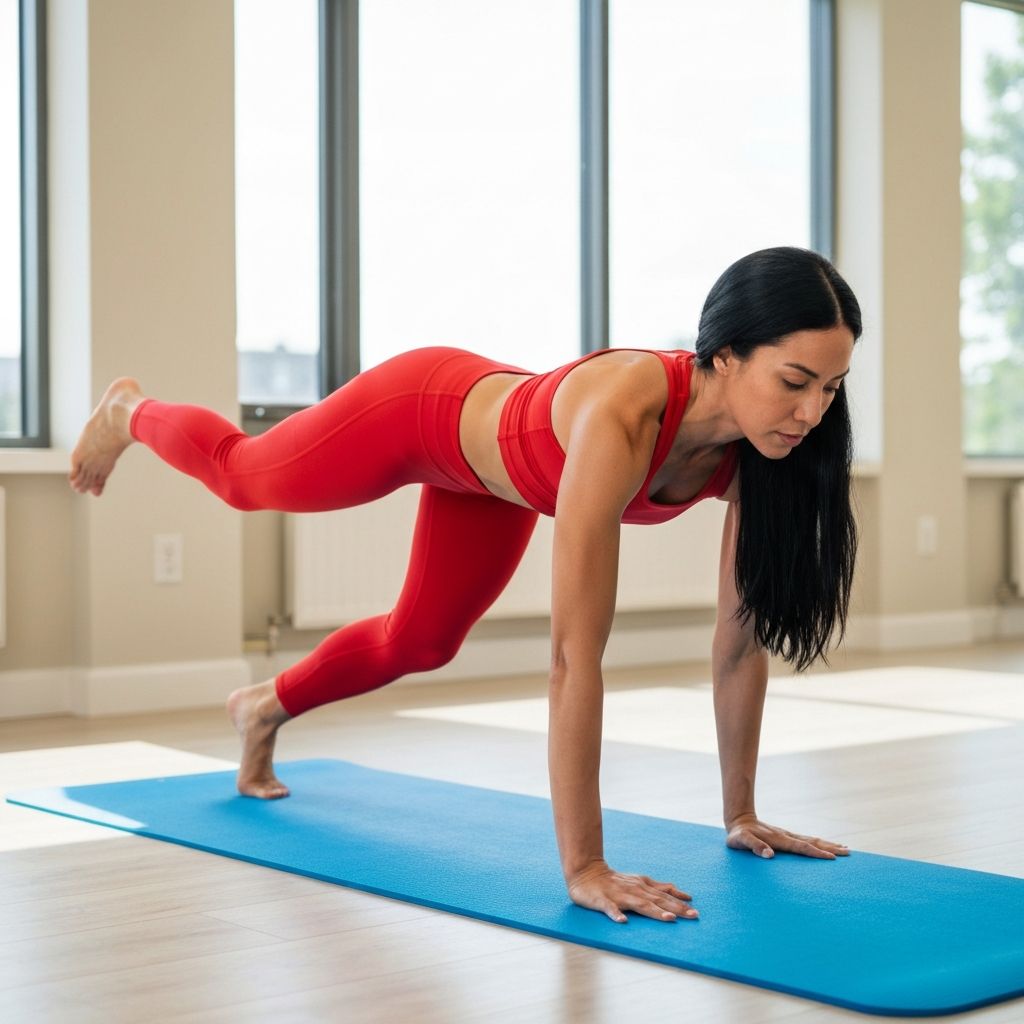
Strength development at Bekind is approached as a gradual process of learning to control and stabilize your body during various movements. Rather than focusing solely on lifting heavy weights, the emphasis is on understanding how to engage muscles effectively and maintain control throughout exercise.
Participants learn bodyweight exercises and movement patterns that challenge their current strength levels appropriately. As they become more comfortable with basic movements, they can explore more challenging variations under instructor guidance.
Flexibility work involves gentle stretching and movement patterns designed to maintain or gradually improve range of motion. At Bekind, flexibility exercises are integrated into regular practice sessions as part of a balanced approach to physical activity.
Instructors help participants understand appropriate stretching techniques and durations. The approach emphasizes gentle, sustained stretches rather than bouncing or forcing movements, allowing the body to gradually adapt over time.
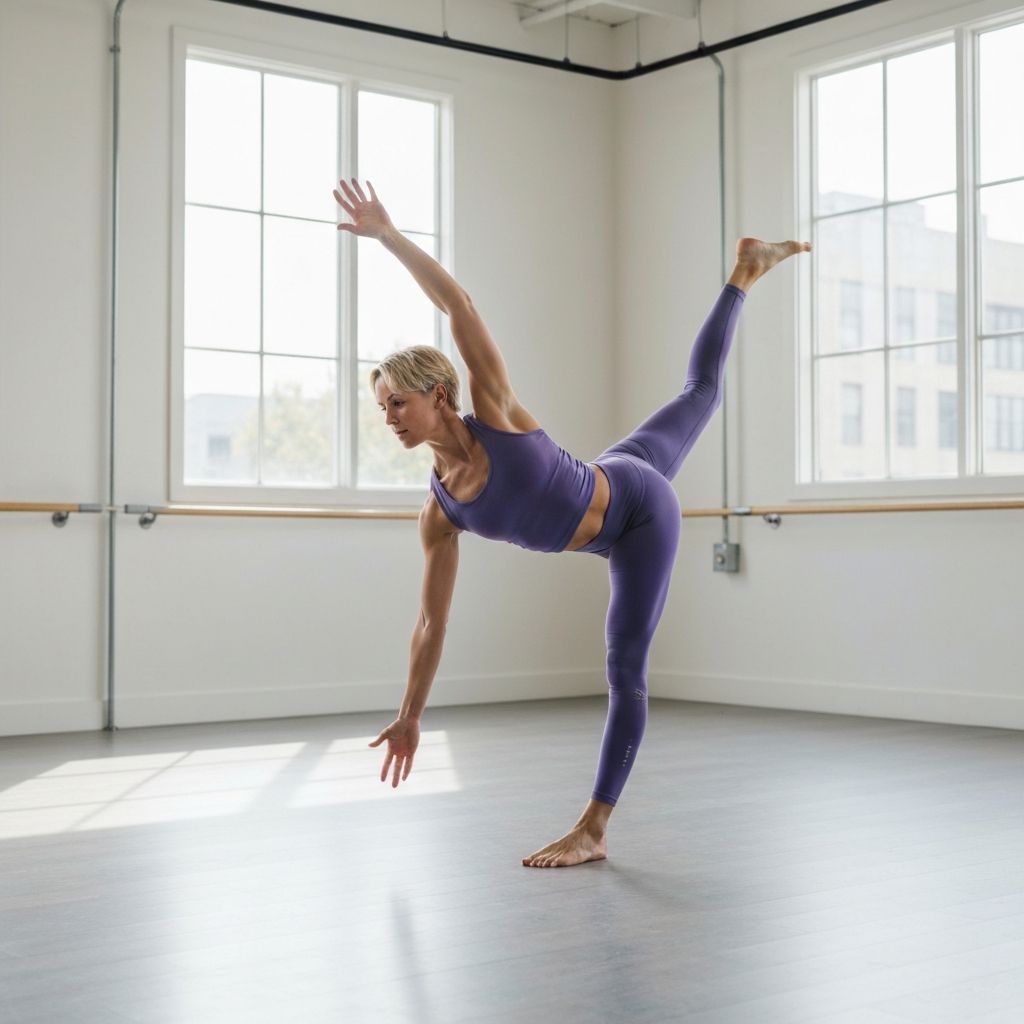
Stability exercises help participants develop the ability to maintain controlled positions and move with precision. This involves practicing balance, core engagement, and coordination during various movements and positions.
Developing stability takes time and consistent practice. Instructors provide progressions that allow participants to build these skills gradually, starting with simpler positions and advancing to more complex movements as their control improves.
Balance work helps participants develop awareness of their body's position in space and improve their ability to maintain equilibrium during movement. This includes both static balance positions and dynamic movements that challenge coordination.
Through regular practice, participants often notice improvements in their overall body awareness and movement confidence. Instructors offer various balance exercises suitable for different skill levels and physical capabilities.
At Bekind, physical load is increased gradually over time. This approach allows the body to adapt to new demands without overwhelming it. Instructors help participants understand appropriate progression rates based on their individual starting points and responses to exercise.
Progression might involve adding repetitions, holding positions longer, or trying more complex movement variations. The key is maintaining quality of movement while gradually challenging the body's current capabilities.
Skills and awareness developed at Bekind can be applied to daily activities outside the studio. Participants often find that improved body awareness and movement control transfer to everyday tasks like walking, standing, and moving throughout their day.
Instructors occasionally discuss how studio practices relate to common daily movements, helping participants make connections between their exercise practice and real-world physical activity.
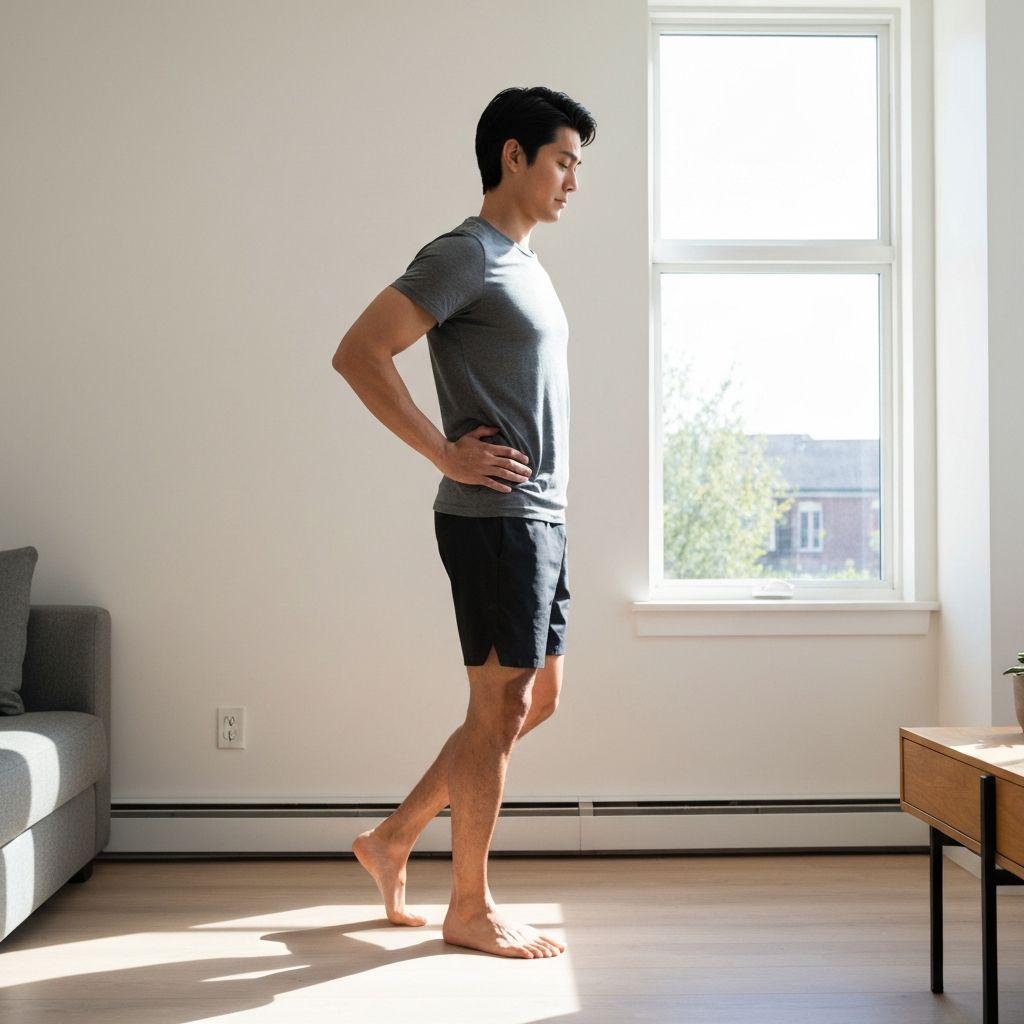
Breath awareness is integrated into movement practice at Bekind. Instructors guide participants in coordinating breath with movement and maintaining steady breathing patterns during exercise.
Learning to breathe effectively during physical activity can enhance focus and help participants maintain rhythm throughout their practice. This is a skill that develops with time and attention.
Every participant arrives at Bekind with different physical capabilities, experiences, and goals. Instructors work with individuals to adapt exercises as needed, offering modifications that make movements more accessible or more challenging based on each person's current abilities.
This individualized approach within a group setting allows everyone to participate meaningfully in sessions while working at their own appropriate level.
Group classes at Bekind create a shared space for movement practice. Participants work on their individual practice while being part of a collective experience. This format can provide motivation and a sense of community around physical activity.
Classes are structured to accommodate different skill levels, with instructors providing variations and modifications so everyone can participate effectively.
Mindfulness in movement involves paying attention to how your body feels during exercise, noticing sensations, and maintaining awareness of your physical state. At Bekind, participants are encouraged to stay present during their practice and observe their body's responses without judgment.
This approach supports safe exercise practice and helps participants develop a more attuned relationship with their physical selves.
Movement and body awareness instructors at Bekind bring diverse backgrounds in movement education. They share knowledge about exercise principles, movement mechanics, and practical strategies for maintaining a regular practice.
Instructors focus on education rather than prescription, helping participants understand the reasoning behind different exercises and approaches so they can make informed choices about their practice.
People come to Bekind for various reasons: some want to increase their general physical activity, others are interested in developing specific movement skills, and many simply want a structured environment for regular exercise.
Participants report various experiences with their practice, from discovering new movement capabilities to simply enjoying the routine of regular physical activity. Each person's journey with movement is unique and personal.
Your first session will introduce you to the studio environment and basic movement patterns. Instructors will guide you through exercises and help you understand proper form. Come in comfortable clothing that allows free movement.
No previous experience is required. Instructors work with people at all skill levels and can adapt exercises to suit your current capabilities.
Frequency depends on your schedule and preferences. Many participants find that attending 2-3 times per week helps them maintain consistency in their practice.
Instructors can adapt exercises to accommodate various physical limitations. Please inform your instructor about any considerations so they can suggest appropriate modifications. This is an educational service, not medical advice.
Changes vary significantly between individuals and depend on many factors including practice frequency, starting point, and individual physiology. The focus at Bekind is on consistent practice rather than specific outcomes.
Learn more about our approach to movement education and body awareness development in our London studio.
Dive deeper into our philosophy